Insights · Buyer's Guide
How to Choose a Podcast Post-Production Studio (Founder-Led vs Agency)
To choose a podcast post-production studio, judge five things: a relevant and consistent portfolio, a clear scope of what each episode includes, taste that fits your show, a defined revision and turnaround process, and who actually does the work. For premium shows, founder-led studios usually win on craft and consistency; large agencies win on raw scale.
Choosing who post-produces your podcast is one of the most consequential decisions a creator makes, and one of the easiest to get wrong. A slick sales page tells you almost nothing about whether the episodes will actually be good, week after week. This is a buyer’s guide to cutting through that — what to evaluate, the real trade-off between founder-led studios and agencies, and the questions that reveal quality before you sign anything.
What to actually look for
Ignore the marketing and evaluate these five things. They predict the outcome far better than price or promises.
1. A relevant, consistent portfolio
One impressive video is easy. What you want is evidence of consistency — several episodes, ideally in your format, that all hold the same standard. Anyone can produce a single great reel; a real studio produces a great episode every week. Look for work in your lane specifically: a great music-video editor is not necessarily a great podcast editor.
2. A clear scope
“Editing” means wildly different things to different providers. Before anything else, get a precise answer to what is included per episode. Does it cover multi-cam editing, color grading, sound design and mixing, clips, thumbnails, intros? Vague scope is where disappointment and hidden costs live.
3. Taste that fits your show
Technical skill is table stakes; taste is the differentiator. Does their sensibility — pacing, color, sound, restraint — match the show you are trying to build? You cannot brief taste into someone who doesn’t have it, so choose a partner whose existing work already feels right to you.
4. A defined process
Reliability is a feature. Ask about turnaround times, revision policy, file delivery, and communication cadence. A studio that can articulate its process clearly is one that has done this at scale; vagueness here often predicts missed deadlines later.
5. Who actually does the work
This is the question that reveals the most and gets asked the least. Will the person whose work impressed you actually edit your show — or will it be handed to a rotating cast of junior editors you never meet? The answer largely determines whether quality stays consistent once you are just another account.
Founder-led vs. agency: the real trade-off
This is the choice most serious creators are really weighing, and the honest answer is that it depends on what you value. Here is the trade-off laid out plainly.
| Founder-led studio | Large agency | |
|---|---|---|
| Who edits | The principal, or a small hand-picked team they oversee. | Often rotating junior editors; the founder is a salesperson. |
| Craft consistency | High — one taste and standard across every episode. | Variable — depends which editor you're assigned. |
| Communication | Direct with the person doing the work. | Through account managers and layers. |
| Scale / volume | Deliberately capped to protect quality. | Can absorb very high volume. |
| Best for | Premium shows that value taste and consistency. | Operations that need raw throughput above all. |
Neither model is universally right. If you are running a high-volume operation where sheer output is the priority, an agency’s scale can be the correct answer. But if you are a serious creator who wants every episode to look and sound premium — and to talk to the person who actually makes it — founder-led tends to win on the things that matter most. The reason is simple: craft and taste do not survive being spread thin across rotating junior editors.
Craft and taste do not survive being spread thin across rotating junior editors.
Questions that reveal quality before you sign
Sales calls reward smooth talkers. These questions reward good studios, because a strong one answers them easily and a weak one dodges:
- Who will actually edit my show, every week?
- Can you show me several consecutive episodes in my format — not just a highlight reel?
- Exactly what is included per episode, and what costs extra?
- What is your turnaround, and what is your revision policy?
- How do you approach clips, thumbnails and intros — or is that separate?
- What happens when I have direct feedback — who do I talk to?
The quality of the answers — specificity, confidence, honesty about limits — tells you more than any portfolio. Beware anyone who cannot say plainly who does the work or what is included.
How Dull Light fits this framework
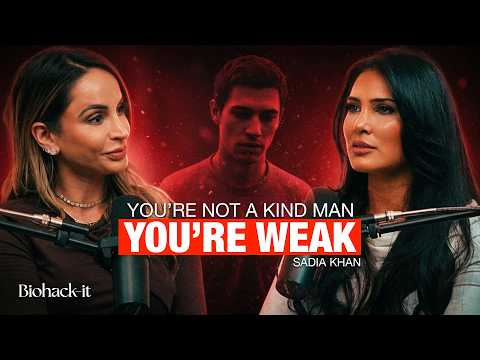
Dull Light Productions is a founder-led studio by design. David Parra is the lead producer on the work, not a name on a proposal — which is why the studio can hold a consistent, premium standard rather than spreading it thin. That approach has earned the trust of shows at the very top of the US market, including Patrick Bet-David (Valuetainment), Dr. Jordan Peterson, Sage Steele, Mikhaila Peterson, Peter Crone and Sadia Khan. The studio is based in Miami, South Florida, and works with serious creators across the US and internationally.
If the framework above describes what you are looking for, the next step is simple. See the work on the homepage, or read more on why professional editing matters and what makes a premium intro. When you are ready, tell David about your show.
Frequently asked questions
What should I look for in a podcast post-production studio?
Look for a relevant portfolio in your format, a clear scope of what is included each episode, consistency across their work rather than one impressive reel, a defined revision and turnaround process, and taste that matches your show. For serious creators, who actually does the editing — and how consistent they are week to week — matters more than the size of the company.
Is a founder-led studio better than a big agency?
It depends on your needs. Founder-led studios tend to offer higher craft consistency, direct communication with the person doing the work, and stronger taste, which suits premium shows. Large agencies offer scale and can absorb very high volume, but the work is often handed to rotating junior editors. Neither is universally better; the right choice depends on whether you value craft and consistency or raw throughput.
How should I judge what a post-production studio is worth?
Judge it by scope, format and turnaround rather than any single number, which is always misleading on its own. The more useful lens is value: what a lift in retention, better clips and premium production is worth to your show's reach, revenue and growth. For an established show, premium work that compounds across every episode usually earns its place.
What questions should I ask before hiring an editor?
Ask who will actually edit your show, what exactly is included each episode, what turnaround and revision policy to expect, whether they can show consistent work in your format, and how they handle clips, thumbnails and intros. The answers reveal quality and reliability far better than a polished sales pitch.
Want work like this on your show?
David Parra has post-produced for Patrick Bet-David, Dr. Jordan Peterson, Sage Steele and more. Tell him about your podcast and get a straight answer on how to make it look and sound premium.
+1 (954) 593-9533 · Miami, South Florida
Keep reading
Case Study
The Top Podcasts David Parra Has Produced For
ReadCase Study
The Sage Steele Show: A Post-Production Case Study
ReadCase Study
BioHack-It: Building a Wellness Podcast Brand in Post
Read